
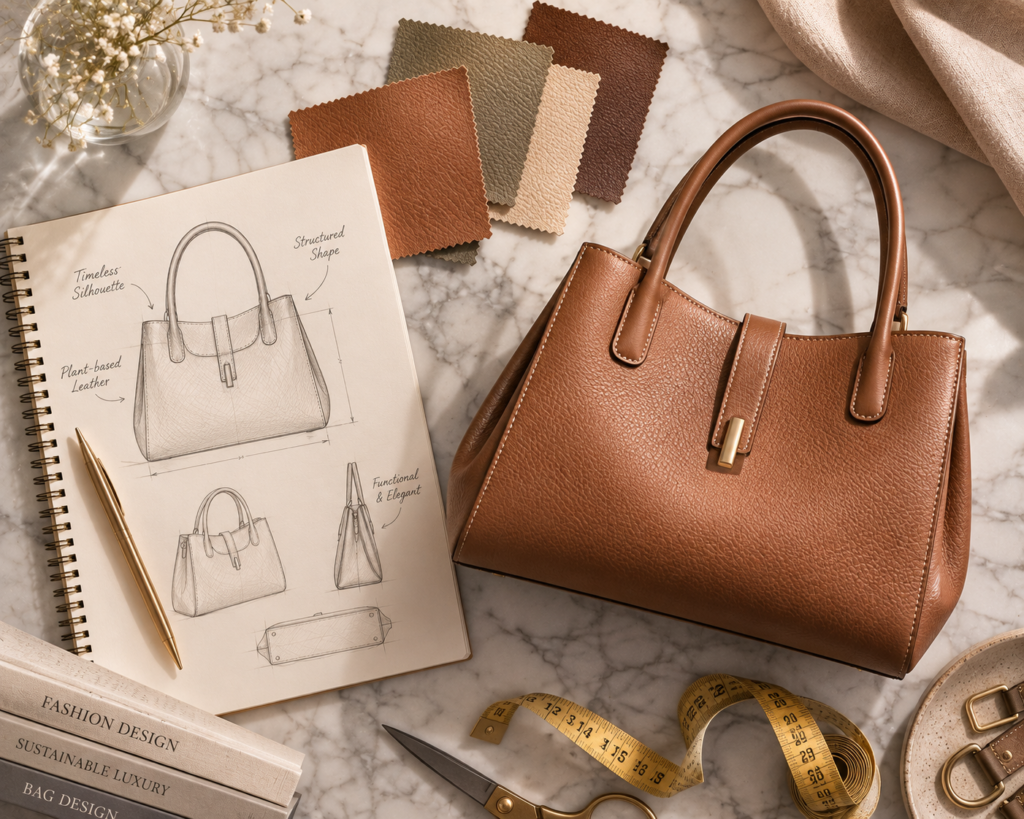
A designer who builds a brand around handbags reaches profitability faster than one who bets the collection on ready-to-wear.
Table of Contents
The Margin Math Favors Handbags Over Ready-to-Wear
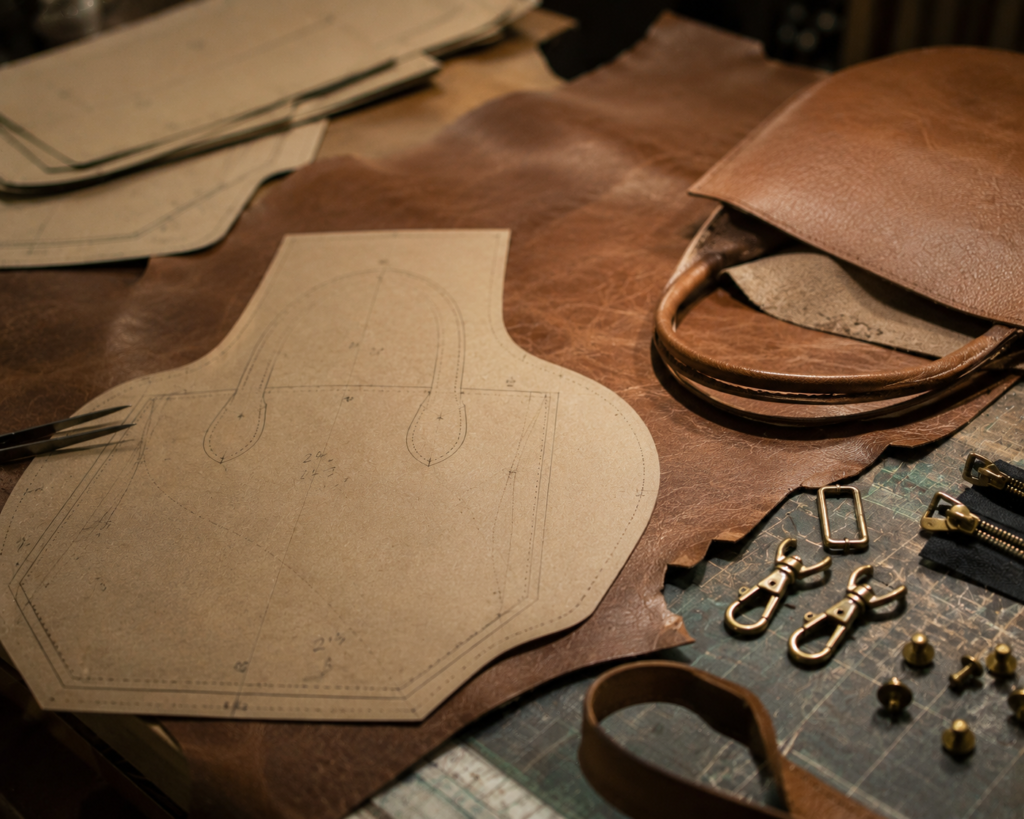
Handbags carry structural cost advantages that ready-to-wear simply doesn’t offer. A jacket needs fit testing across multiple body types, seasonal fabric sourcing, and grading across a full size run before it ever reaches a rack. A handbag needs one pattern, one hardware set, and one production run that scales without a size curve eating into the margin.
Market research on the global handbag category pegs it at roughly $54 billion in 2023 with a climb toward $86 billion by 2030, a trajectory that outpaces most apparel subcategories over the same window. Luxury conglomerates understand this math better than anyone: LVMH, Kering, and Richemont together command more than half of the premium handbag segment, and they didn’t get there by treating handbags as an afterthought to the runway. For an independent designer, handbags convert raw material and labor into revenue with fewer variables than a dress or a coat, which means fewer places for margin to leak.
Materials reinforce the advantage. Leather goods hold value and durability that justify premium pricing without the constant reinvention apparel demands each season. A design house can price a handbag at four to eight times production cost and still land within customer expectations for the category, a multiple most ready-to-wear pieces can’t sustain once markdowns start. Designers chasing venture funding or bootstrapping a first collection should treat handbags as the product that keeps the lights on while riskier apparel bets play out.
Handbags Move From Sketch to Shelf Faster Than Any Other Category
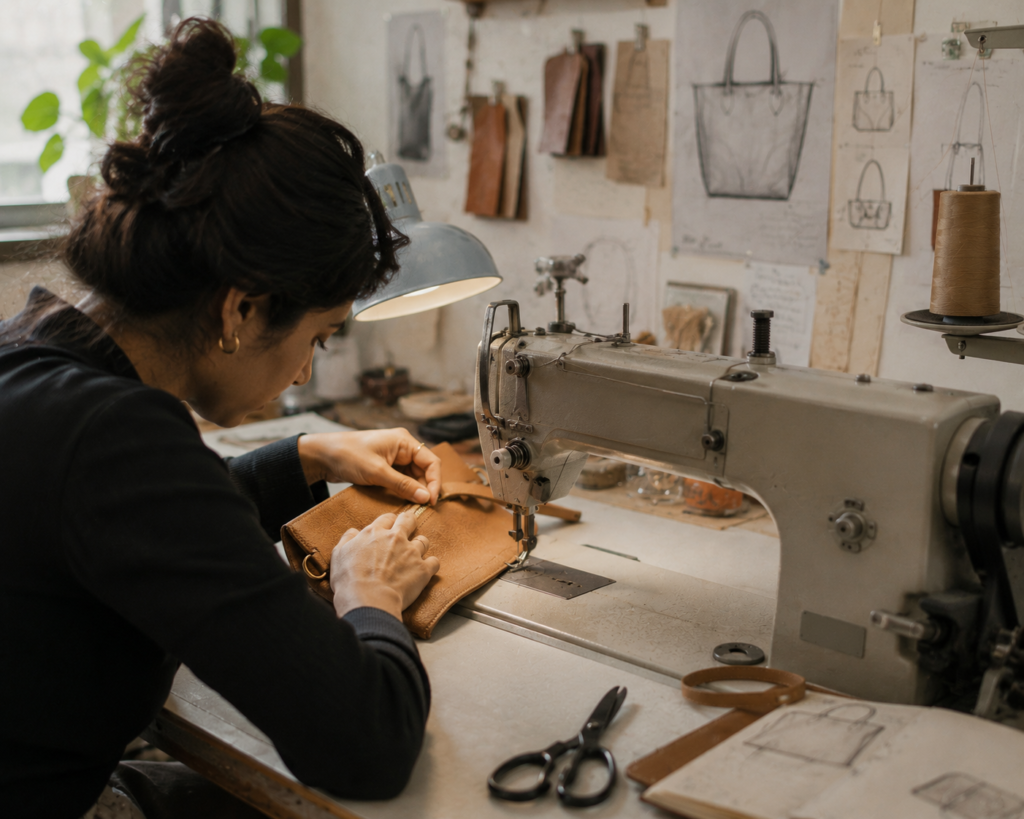
Speed decides who survives the first eighteen months of a fashion brand, and handbags move faster than any other product type from concept to shelf. A handbag skips the fit-model rounds, the size-grading revisions, and the multi-market sizing standards that stretch an apparel timeline by months. A small studio can move a handbag from sketch to sample in two to three weeks with the right leather supplier relationship, then push a first production run within a single quarter. Ready-to-wear on the same timeline usually still sits in fit sessions.
This speed compounds when a designer needs to react to a trend or a viral moment. Telfar’s Shopping Bag built an entire cult following on a single silhouette that the brand could restock and iterate quickly, while competitors chasing seasonal apparel trends needed a full development cycle to respond. Bottega Veneta’s Pouch and The Row’s Margaux both proved the same point from the luxury end of the market: a strong handbag silhouette earns repeat production runs with minor tweaks rather than a full redesign, which keeps design teams lean and keeps cash flow predictable.
Designers who treat handbags as the fast-moving core of a collection can test color stories, hardware finishes, and size variants within a single season, gathering real sales data faster than any apparel line allows.
A Single Iconic Handbag Builds Brand Recognition Ready-to-Wear Can’t Match
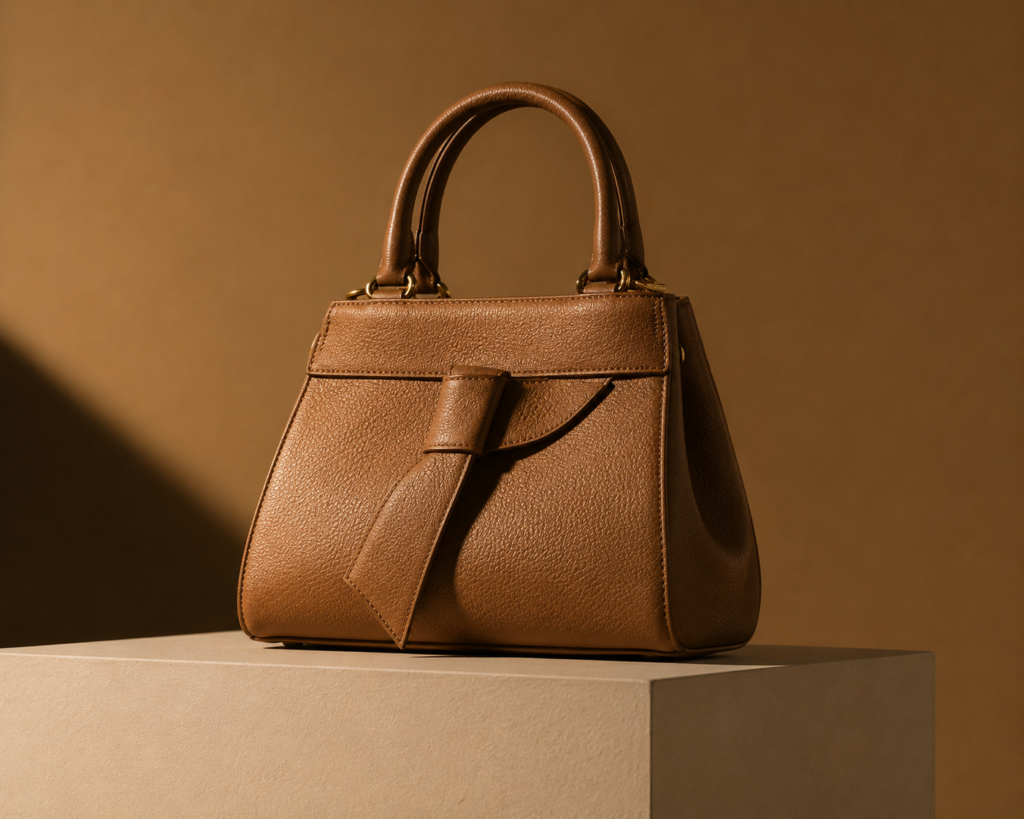
One handbag silhouette can carry brand recognition that an entire ready-to-wear line struggles to achieve. Louis Vuitton’s Neverfull remains one of the most resold luxury items on secondary marketplaces worldwide, which means the bag keeps advertising the brand long after the original sale closes. Chanel’s quilted flap bag and Hermès’ Birkin function the same way: each shape became shorthand for the house itself, recognizable from across a room without a visible logo. A designer chasing brand equity gets more return from perfecting one handbag silhouette than from launching twenty apparel styles that customers forget by the following season.
Recognition also travels better through handbags than through clothing sizes. A handbag photographs consistently on every body, works across every market without a fit conversation, and shows up cleanly in influencer content, editorial spreads, and street-style photography. North America alone accounted for roughly 31% of the global handbag market in 2024, and that share grew alongside social platforms where a single bag shot generates far more engagement than a full runway look. Designers building a brand from zero should treat one signature handbag as the visual anchor that every other product, from ready-to-wear to accessories, gets built around.
The Resale Market Turns Handbags Into a Compounding Asset for the Brand
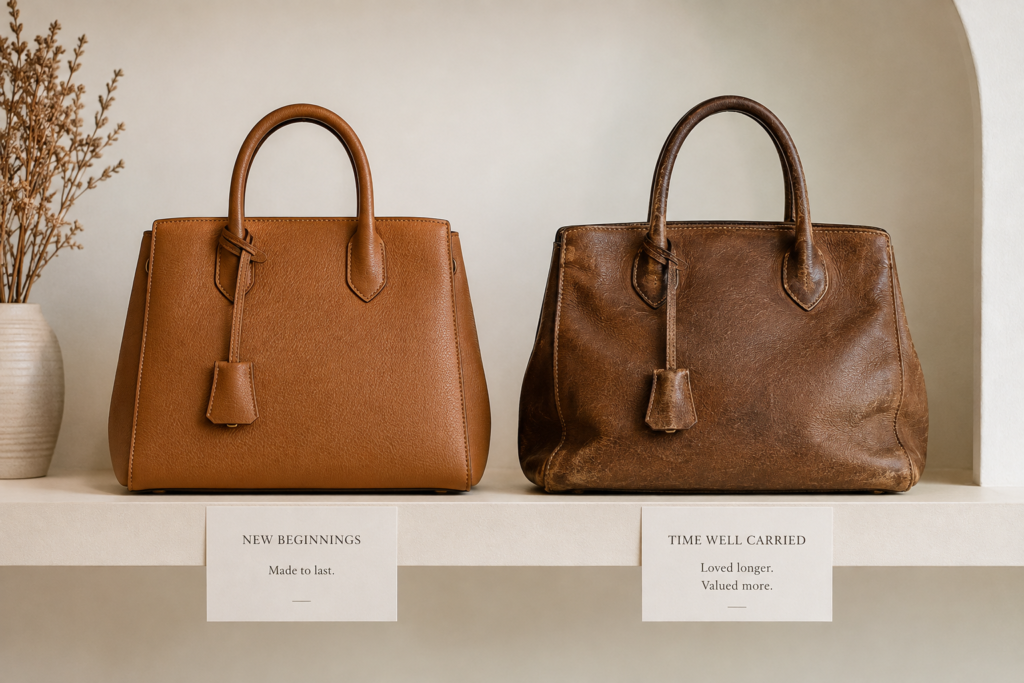
Handbags do something almost no other fashion category does: they appreciate, or at minimum hold value, well after the first sale. Secondary marketplaces built entire business models around reselling luxury handbags, and partnerships like the one between What Goes Around Comes Around and Amazon show how mainstream that resale infrastructure has become. A designer whose handbags perform well on the resale market benefits twice — once from the original sale margin, and again from the brand equity that a thriving secondary market signals to new customers. Ready-to-wear rarely holds resale value once a season passes; a handbag with the right design discipline can trade above retail years later.
This dynamic changes how a designer should think about long-term brand building. Every resold bag functions as a small advertisement and a value signal simultaneously, telling the next buyer that the brand’s handbags are worth holding onto rather than replacing. Designers who invest in consistent hardware quality, timeless proportions, and limited color-way drops give their handbags the durability and scarcity that resale markets reward. That combination turns a handbag line into a compounding asset instead of a one-time transaction, something apparel almost never achieves at the same scale.
The Bottom Line
Handbags give a fashion designer faster production cycles, stronger margins, sharper brand recognition, and a resale market that keeps working after the sale closes. A designer who wants speed and ROI builds the brand around handbags first and lets everything else follow.
Written By- Meeanu.Com
Other Resources
