
Table of Contents
The Real Cost Math Behind Handbags for Girls
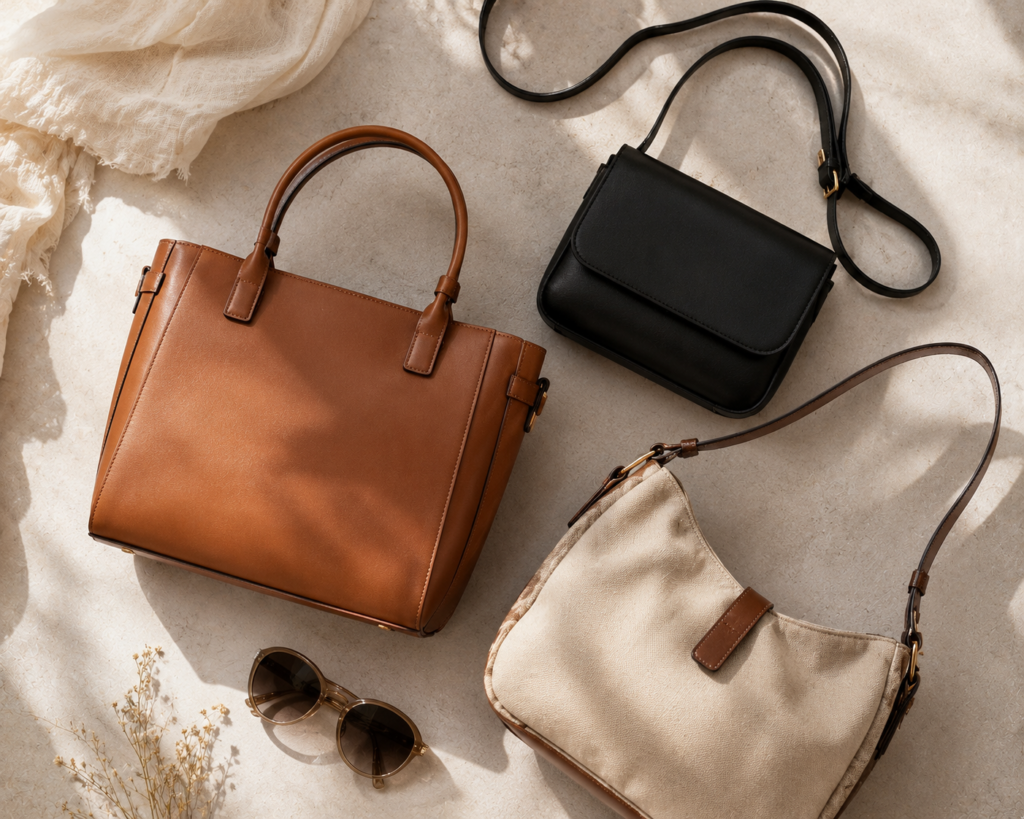
Most shoppers calculate a purchase by its sticker price, not its lifespan, and that habit quietly drains their wallets. A $45 synthetic bag that cracks and peels within eight months costs more per year of use than a $180 full-grain leather bag that survives a decade of daily wear. Divide price by years of service, and the “expensive” option usually wins. This is the cost-per-wear model that fashion buyers and stylists apply to every category, and handbags for girls respond to it especially well because they see heavier daily handling than most accessories — school runs, gym bags, weekend totes, and everything in between.
A parent buying handbags for girls faces this decision every season: replace a worn-out bag again, or invest once in a design built to survive repeated use. The replacement cycle isn’t just a budget problem. Each discarded bag adds to landfill volume, since most fast-fashion accessories combine synthetic leather, foam padding, and metal hardware that recycling facilities can’t easily separate. Choosing durable handbags for girls interrupts that cycle at the point of purchase, which is the only point where a consumer has real control.
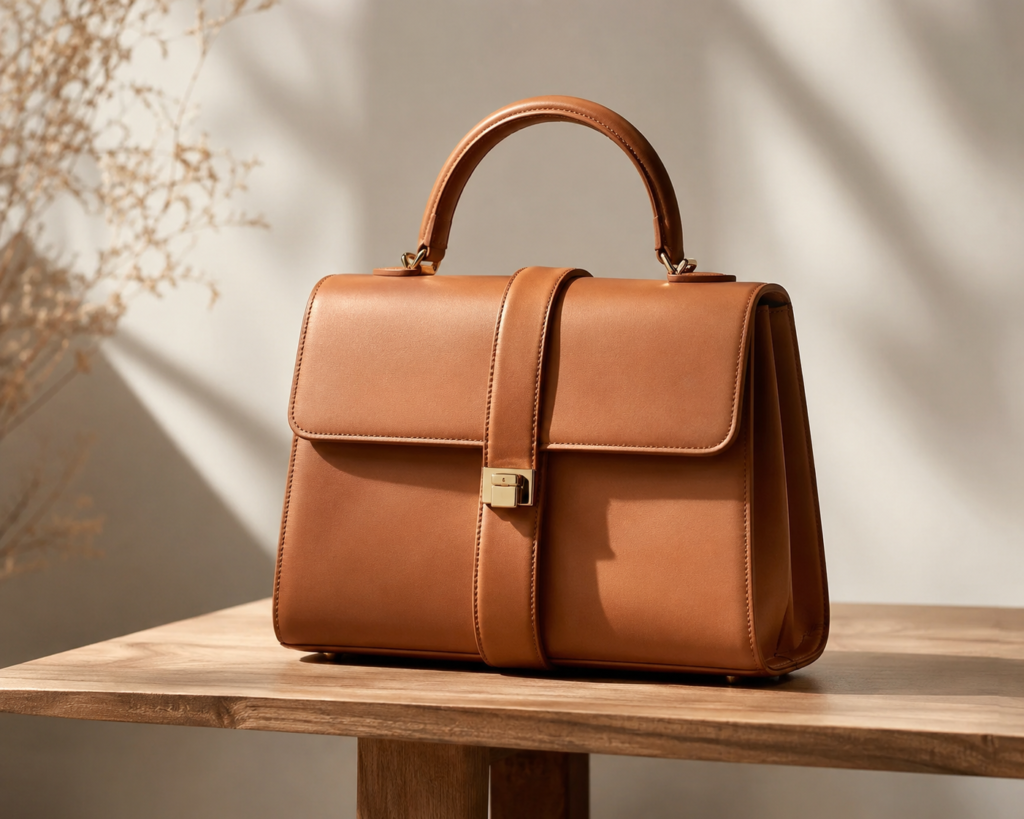
Resale value reinforces the same math. A structured leather tote or a canvas crossbody from a brand known for consistent construction retains a meaningful share of its original price on resale platforms, while synthetic fast-fashion bags typically sell for a fraction of their retail cost, if they sell at all. Buyers who treat handbags for girls as a one-time investment rather than a seasonal restock end up spending less over a five-year window, even though the upfront number looks larger.
Shipping and packaging waste add another hidden cost that rarely appears in a price comparison. Each repeat purchase generates a new box, new plastic mailers, and new tags, multiplying the footprint of a single bag by however many times it gets replaced. A shopper who buys one durable bag instead of four cheaper replacements cuts that packaging waste by roughly three-quarters, without changing anything about how they shop beyond the initial decision.
What Makes Handbags for Girls Genuinely Sustainable
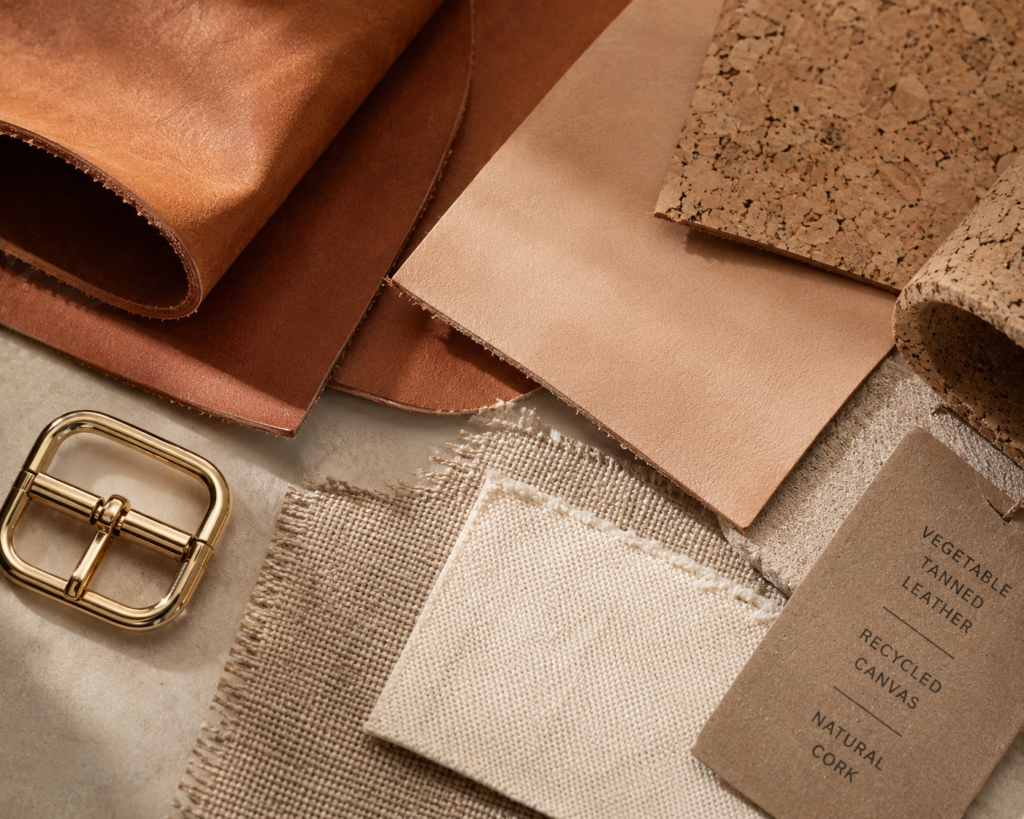
Sustainability claims get thrown around loosely in fashion marketing, so it helps to separate real indicators from vague promises. A genuinely sustainable bag discloses its material sourcing, names its tannery or manufacturing partner, and publishes some form of third-party certification — Leather Working Group certification for tanneries, GOTS certification for organic cotton linings, or Fair Trade certification for labor practices. Brands producing sustainable handbags for girls that meet this bar tend to list these details directly on product pages rather than burying them in a general “About Us” statement.
Material choice matters as much as sourcing. Vegetable-tanned leather, cork, recycled polyester canvas, and cactus-derived leather alternatives all break down or recycle far more cleanly than PVC-based synthetic leather, which sheds microplastics and resists biodegradation for centuries. Parents shopping for handbags for girls can check a hangtag or product description for the tanning method or fabric composition before checkout — this single habit filters out the majority of low-quality fast-fashion options without requiring any brand research at all.
Longevity itself counts as a sustainability metric, and it’s the one most shoppers overlook. A bag that survives ten years of use generates a fraction of the environmental cost, per year of ownership, that five short-lived bags generate combined. This is why durability specs — reinforced stitching, metal zipper pulls instead of plastic, adjustable straps with real buckle hardware — belong on every sustainability checklist for handbags for girls, right alongside material sourcing.
Timeless Design Outperforms Trend Cycles
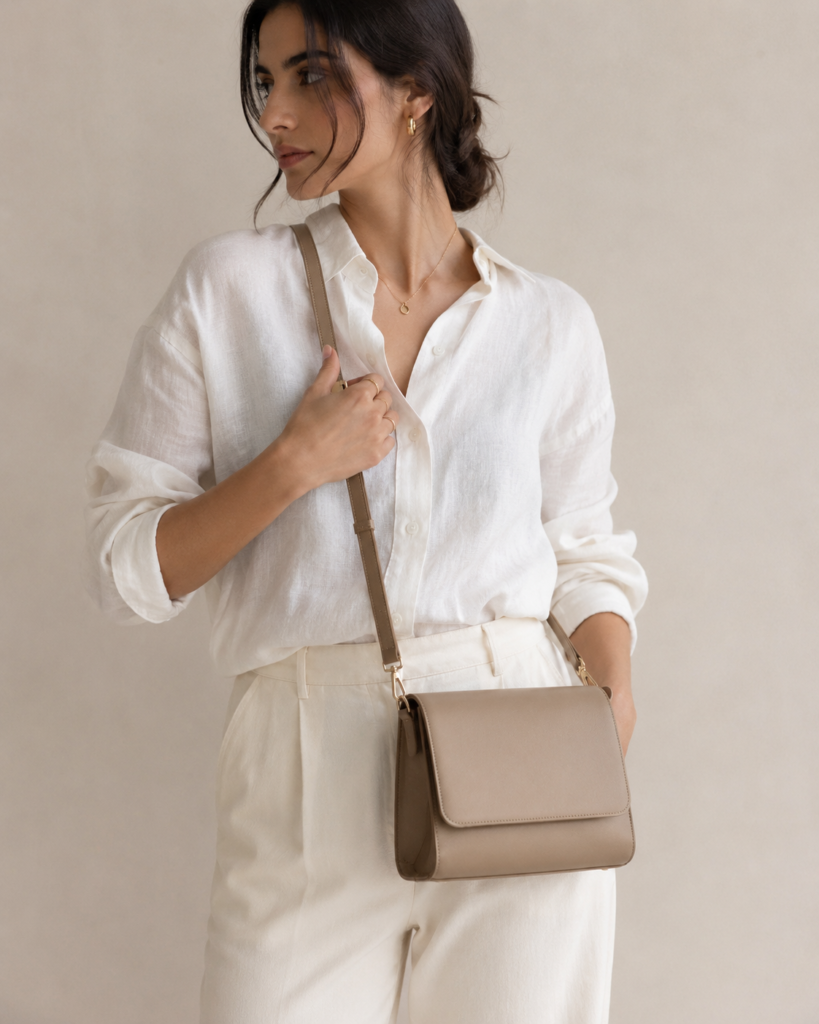
Trend-driven handbag design moves fast, and that speed works against the buyer, not for them. A bag built around a single season’s color palette or logo placement looks dated within eighteen months, while a structured satchel in a neutral tone photographs the same way in 2026 as it will in 2036. Design houses that built their reputation on decades-old silhouettes — the top-handle satchel, the bucket bag, the structured tote — prove this pattern repeatedly: their core shapes stay in continuous production because the design itself doesn’t age, only the materials and finishes get refreshed.
Girls who receive their first quality bag in early adulthood often keep using the same silhouette for years, simply swapping colors or adding new hardware accents rather than replacing the entire bag. A neutral crossbody in tan, black, or oxblood pairs with formal and casual outfits equally well, which means one purchase covers dozens of use cases instead of one. This versatility is the practical argument for choosing timeless handbags for girls over trend pieces: fewer purchases, less closet clutter, and a wardrobe staple that never forces an outfit rebuild.
Trend pieces still have a place for shoppers who want variety, but conscious buyers get better ROI treating trend items as occasional accents layered on top of one or two timeless anchor bags. That approach keeps spending controlled while still allowing room for seasonal experimentation.
How to Choose Handbags for Girls That Actually Last
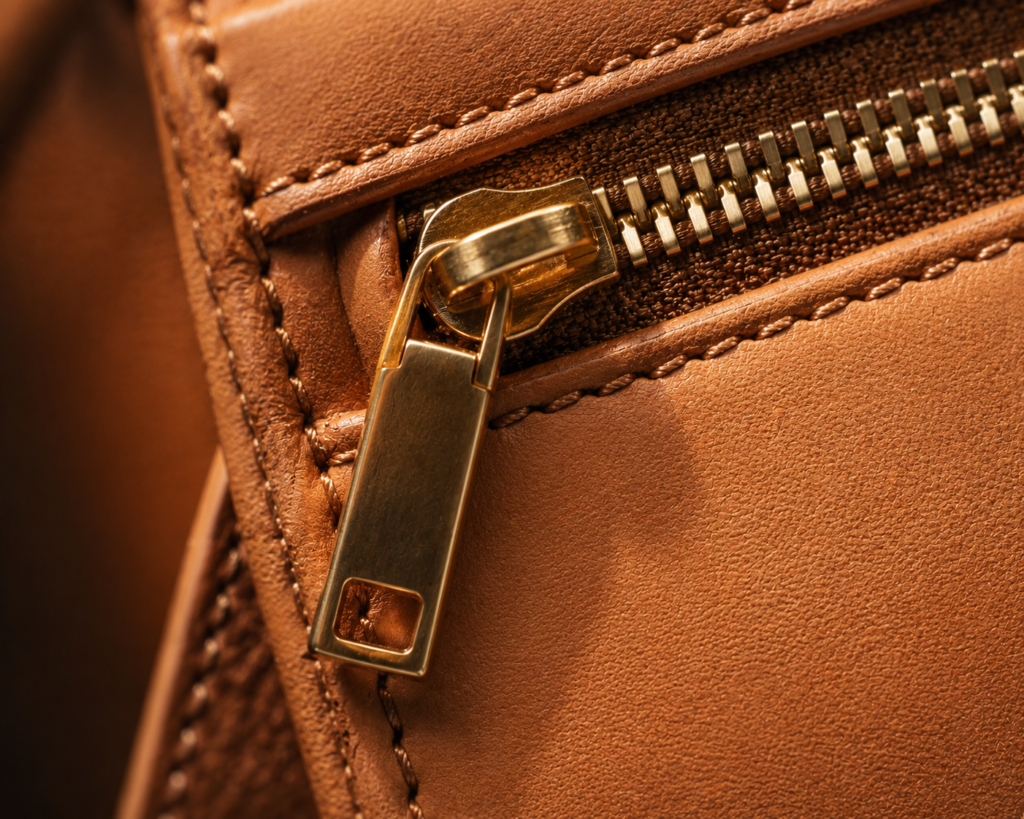
A practical buying checklist beats guesswork every time. First, check the stitching: even, tight stitches with no visible thread pulls signal quality construction, while uneven or loose stitching predicts early seam failure. Second, test the hardware — zippers should glide without catching, and clasps should click firmly shut rather than wobble. Third, smell and feel the material; genuine or high-quality vegetable-tanned leather has a distinct, earthy scent and develops a soft patina with wear, while synthetic leather often carries a plastic odor and cracks rather than softening over time.
Fourth, verify brand transparency before buying. Brands making legitimate sustainability or durability claims about their handbags for girls publish supply chain information, warranty terms, and repair policies. A brand offering a repair service or a multi-year warranty is signaling confidence in its own construction — a strong trust indicator that fast-fashion sellers rarely offer, since it would expose how quickly their products fail.
Fifth, match the bag to actual daily use rather than aspirational styling photos. A structured tote with a wide base suits school or work carry, while a crossbody with an adjustable strap suits active daily movement. Buying handbags for girls based on real routines, not just visual appeal, prevents the bag from sitting unused after the first few outings.
Sixth, read the return and warranty policy before checkout, not after a problem shows up. A retailer that limits returns to seven days or excludes “wear and tear” entirely is often signaling low confidence in its own materials. Compare that against brands offering twelve-month or lifetime repair coverage on handbags for girls — the difference in policy language usually tracks directly with the difference in build quality.
Quality construction, transparent sourcing, and timeless design consistently beat cheap, trend-chasing alternatives on cost, durability, and environmental impact. Choose one well-built bag over five disposable ones, and the difference shows up in the closet, the wallet, and the landfill.
Written By Meeanu.Com
