
New Sustainability

chatgpt image aug 2, 2026, 11 18 33 pm

Sustainable Fashion Brands Are Outgrowing the Rest of the Industry — Here’s the Proof

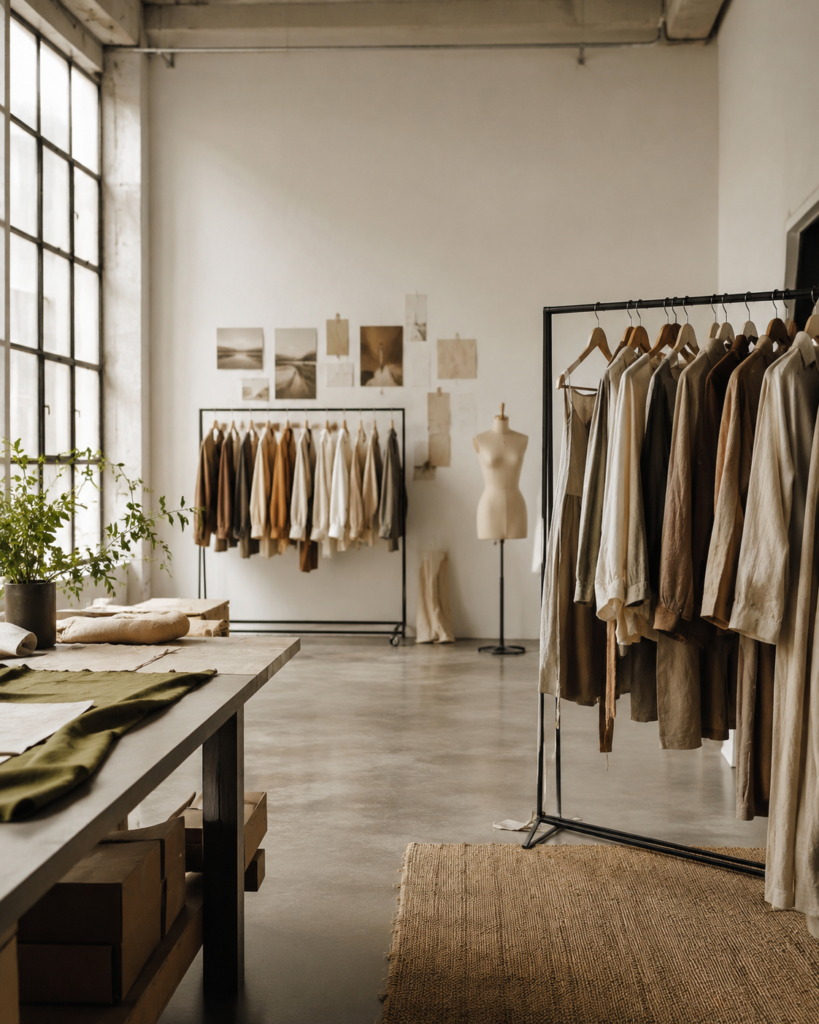
Reformation posted 20 straight quarters of double-digit sales growth and closed its IPO year with $507.1 million in net revenue, up 15.7% from the year before — numbers most conventional apparel labels would kill for, and numbers sustainable fashion brands built without the overproduction playbook. Sustainable Fashion Brands Compress the Production Cycle Designers Actually Hate Every designer knows the real cost center isn’t fabric — it’s the dead stock sitting in a warehouse after a forecast misses. Sustainable fashion brands attack this problem directly instead of treating it as a marketing afterthought. Reformation manufactures roughly half its collection inside its own Los Angeles factory, where about 100 people working in four teams turn new designs around weekly. That in-house speed lets the brand release new styles every two to four weeks and react to what’s actually selling, instead of betting six months out on a trend forecast. Sustainable fashion brands that build made-to-order or small-batch production into their model don’t just cut waste — they cut the lag between a design sketch and a paying customer, which is the exact metric designers get graded on. Deadstock sourcing does the same job from the materials side. Buying leftover fabric from other manufacturers’ overruns skips the lead time of ordering new textiles and locks in a lower cost basis, because that fabric is already sitting unsold. Reformation reports that 91% of its garments now use lower-impact fibers, including recycled cotton, regenerative cotton, and deadstock material — a sourcing strategy that shortens the runway between concept and shelf while trimming input costs. For a designer weighing speed against margin, sustainable fashion brands prove those two goals aren’t actually in tension. This matters most for independent designers who don’t have a fast-fashion factory network on speed dial. Small-batch and made-to-order production give a young label the same reaction speed a giant retailer buys through scale, without carrying the inventory risk that sinks most first collections. A designer who sources deadstock for a capsule drop can test a silhouette with real customers before committing to a full production run, and that testing loop is the actual advantage sustainable fashion brands hold over labels still forecasting six months out. The Revenue Numbers Sustainable Fashion Brands Are Posting Right Now Skepticism about sustainable fashion brands usually centers on one assumption: that ethical sourcing caps growth. Reformation’s public filings say otherwise. Net revenue compounded at roughly 34% a year from 2015 through 2025, the company has been profitable every year since 2016, and it counted 1.1 million active direct-to-consumer customers at the end of its most recent quarter — customers who returned and paid full price often enough to make next year’s revenue forecastable. The company’s IPO priced at $15 a share, raised $210.9 million, and valued the business at roughly $890 million, giving its original private-equity backer a clean exit after buying in when the label was doing an estimated $150 million in sales. That trajectory matters to designers for a specific reason: it shows a sustainable fashion brand can scale past boutique status into public-market territory without abandoning the sourcing story that built its customer base. Gross margin did narrow to 60.2% under new tariff pressure, and net income fell from about $33 million to $12.6 million as the company absorbed IPO-related costs — real numbers, not a spotless story. But a 60%-plus gross margin is still a margin most fashion labels, sustainable or not, would consider strong. Sustainable fashion brands don’t need a flawless balance sheet to make the business case; they need a defensible one, and the filings back that up. Where Sustainable Fashion Brands Stumble — And What Designers Should Learn Not every sustainable fashion brand converts its mission into durable revenue, and pretending otherwise would undercut the argument. Allbirds built its identity on merino wool and eucalyptus-fiber sneakers and carbon-neutral ambitions, then went public in 2021 before proving it could scale profitably. By late 2025, quarterly revenue was falling 23.3% year over year, the company was carrying a net loss of $77.3 million for the year, and it disclosed substantial doubt about its ability to continue as a going concern. It closed its remaining U.S. full-price stores in early 2026 and agreed to sell the brand outright soon after. The failure wasn’t the sustainability story — it was everything wrapped around it. Allbirds expanded into too many physical stores and product categories at once, let margins slip, and leaned on its founding narrative to carry sales momentum it hadn’t earned through product iteration. Sustainable fashion brands that treat eco-credentials as the entire pitch, rather than one input into a disciplined merchandising and inventory strategy, run the same risk any brand runs when it outspends its unit economics. For a designer building a brand or advising one, Allbirds is the clearest available case study in what happens when sourcing ethics substitute for operational discipline instead of supporting it. The Business Model Shift That Makes Sustainable Fashion Brands Investable The sustainable fashion brands attracting capital right now share a structural trait: they’ve turned circularity into a revenue line, not a cost line. Reformation runs a repair and resale partnership through Hemster that processed more than 1,000 items in a single year, and it grades every textile it uses on an A-through-E impact scale so buyers and designers can see exactly which fibers are dragging the footprint up. Patagonia took a more radical structural route, transferring company ownership in 2022 to a purpose trust and a nonprofit so future profits fund environmental causes instead of shareholder payouts — a move that removed the usual pressure to chase short-term volume growth at the expense of the supply chain relationships that keep quality high. Both approaches point designers toward the same lesson: sustainable fashion brands that build resale, repair, or ownership structures directly into their business model create a second and third revenue touchpoint with the same customer, instead of relying on a single full-price sale. That’s a materially different growth curve than a conventional label

Sustainable Fashion Brands Are Outgrowing the Rest of the Industry — Here’s the Proof Read More »
chatgpt image jul 31, 2026, 08 15 17 pm

Bio Leather Proves You Don’t Need Animal Cruelty to Carry a Beautiful Bag

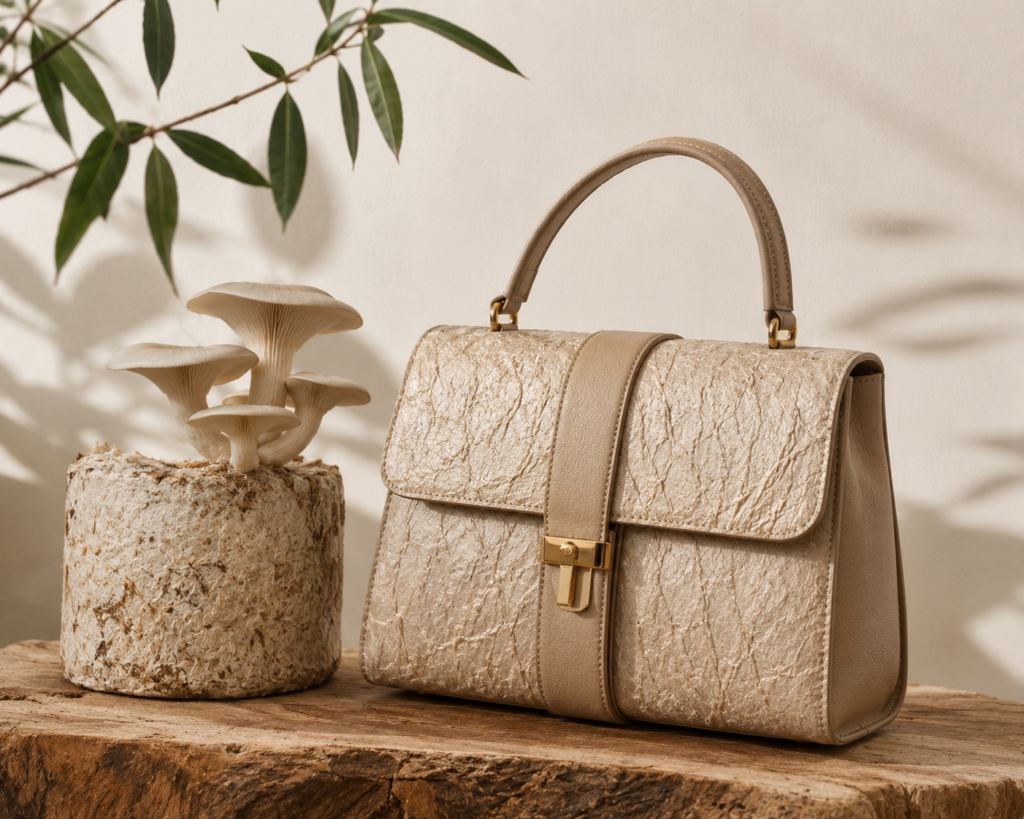
Every genuine leather handbag traces back to a slaughterhouse, and no amount of tanning, embossing, or luxury branding erases that origin — bio leather removes the animal cruelty from the equation entirely, without asking you to sacrifice style. The Animal Cruelty Genuine Leather Brands Don’t Advertise Leather manufacturers rarely mention where the raw material comes from, because the truth doesn’t sell handbags. Cattle raised for leather live in confined feedlots, travel long distances to slaughter, and die specifically so their hide can become a $3,000 tote. This isn’t a byproduct story anymore — global leather demand now drives dedicated hide production, which means the animal cruelty baked into a “classic” leather bag is a direct business decision, not an accident of the meat industry. Bio leather brands built their entire model around rejecting that decision. Bolt Threads grows Mylo from mycelium — mushroom root structures — in controlled facilities that need no pasture, no feedlot, and no animal at all. Stella McCartney, a brand that has never used animal leather, incorporated Mylo and VEGEA (a grape-based leather made from wine industry waste) into her handbag lines years before “sustainable luxury” became a marketing checkbox. Even Hermès, a house synonymous with exotic skins, experimented with a Mylo version of the Birkin — a quiet admission that animal cruelty is no longer a technical requirement for a prestige handbag. Compare that to how conventional tanneries operate. A single hide passes through chrome tanning baths, heavy water use, and chemical finishing steps before it ever reaches a cutting table, and every one of those steps exists downstream of an animal’s death. Bio leather producers skip the death entirely and still land on a finished material that a designer can cut, stitch, and emboss the same way. That’s the part animal lovers should sit with: the industry didn’t need decades to find an alternative. It needed brands willing to build the supply chain and prove the material could perform. Real Brands Already Winning Without Animal Cruelty Skeptical buyers want proof, not promises, so look at who’s already shipping bio leather at scale. Mexican innovators Adrián López Velarde and Marte Cázarez built Desserto from Nopal cactus, a crop that grows in the Sonoran Desert without irrigation or pesticides — their material now appears in handbags and accessories sold across multiple continents. Dr. Carmen Hijosa founded Ananas Anam and turned discarded pineapple leaf fibers from Philippine farms into Piñatex, a material durable enough that suppliers rate it for roughly 15,000 flex cycles before visible wear — a number that rivals mid-to-high-grade animal leather. Italian company Frumat converts apple juice production waste into apple leather, and several Italian accessory brands now build handbags on that material instead of hides tied to animal cruelty. Bottega Veneta took a different route, weaving its signature Intrecciato pattern from recycled textile fiber instead of lambskin for select pieces — proof that heritage craftsmanship and animal cruelty don’t have to travel together. None of these brands positioned bio leather as a compromise. They positioned it as the better material story, and buyers under 40 increasingly agree: status now attaches to the bag that avoided animal cruelty, not the one that required it. The ROI Animal Lovers Actually Care About You don’t buy a handbag on ethics alone — you want it to last, hold value, and not fall apart in eighteen months, so here’s the math that matters. Cactus leather resists UV damage and stays flexible across climates, which means it survives daily use the way conventional leather does, minus the animal cruelty in its supply chain. Bio-crafted totes currently cost 15% to 25% more than a comparable bovine bag, a premium buyers now treat as an “ethical dividend” rather than a markup, because the resale and desirability curve on bio leather bags is climbing faster than on traditional skins among younger luxury buyers. Speed matters too. A cactus or apple leather supply chain skips the years-long cattle-raising cycle entirely — Nopal cactus reaches harvestable maturity in about eight months, and mycelium grows into usable sheets in a matter of days inside a lab. That shorter production cycle lets bio leather brands respond to demand faster than any tannery tied to a livestock timeline, and it removes animal cruelty from every single step of that faster process. For a buyer who wants both a fast-moving, on-trend accessory and a clean conscience, bio leather delivers both without forcing a trade-off. Investment value follows the same trend line. High-net-worth collectors under 40 increasingly favor brands that own their material technology outright — the Hermès and MycoWorks partnership is the clearest example — over brands licensing a generic “eco” fabric from a third party. Owning the growth technology signals a long-term commitment, and buyers reward that signal with resale demand. If you’re weighing a bio leather bag against a traditional one purely on financial terms, the gap in upfront price is shrinking every year, while the reputational upside of skipping animal cruelty keeps climbing. How to Spot Real Cruelty-Free Leather (and Avoid Greenwashing) Not every bag labeled “vegan” earns the animal-cruelty-free claim it makes, so check three things before you buy. First, demand the bio-based percentage. No plant-based leather is 100% plant material yet — a small binder keeps it durable — but a brand that discloses “72% plant-based” instead of a vague “eco-friendly” label is one you can trust. Second, check the base material. Conventional PU and PVC “vegan leather” avoids animal cruelty but still relies on fossil fuels and never biodegrades, so it solves one problem while creating another; genuinely bio-based options like Piñatex, Desserto, and Mylo solve both. Third, trace the manufacturing location. A cactus leather bag made in a factory with poor labor standards still fails the ethics test, even with zero animal cruelty in its material sourcing — brands producing in Portugal, Italy, or Spain generally pair strong labor protections with shorter supply chains. Ask the brand these three questions directly, and you’ll separate genuine bio leather innovation from

Bio Leather Proves You Don’t Need Animal Cruelty to Carry a Beautiful Bag Read More »

chatgpt image jul 31, 2026, 07 35 35 pm

Why Handbags for Girls Deserve a Smarter Buying Strategy

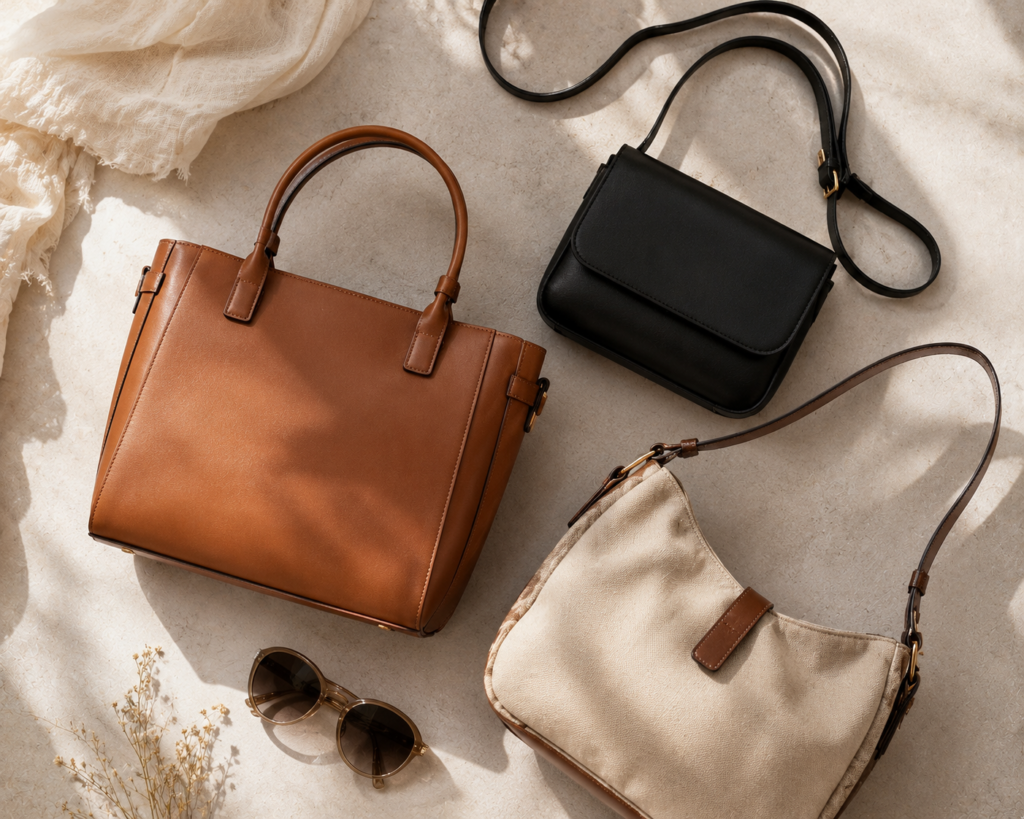
The Real Cost Math Behind Handbags for Girls Most shoppers calculate a purchase by its sticker price, not its lifespan, and that habit quietly drains their wallets. A $45 synthetic bag that cracks and peels within eight months costs more per year of use than a $180 full-grain leather bag that survives a decade of daily wear. Divide price by years of service, and the “expensive” option usually wins. This is the cost-per-wear model that fashion buyers and stylists apply to every category, and handbags for girls respond to it especially well because they see heavier daily handling than most accessories — school runs, gym bags, weekend totes, and everything in between. A parent buying handbags for girls faces this decision every season: replace a worn-out bag again, or invest once in a design built to survive repeated use. The replacement cycle isn’t just a budget problem. Each discarded bag adds to landfill volume, since most fast-fashion accessories combine synthetic leather, foam padding, and metal hardware that recycling facilities can’t easily separate. Choosing durable handbags for girls interrupts that cycle at the point of purchase, which is the only point where a consumer has real control. Resale value reinforces the same math. A structured leather tote or a canvas crossbody from a brand known for consistent construction retains a meaningful share of its original price on resale platforms, while synthetic fast-fashion bags typically sell for a fraction of their retail cost, if they sell at all. Buyers who treat handbags for girls as a one-time investment rather than a seasonal restock end up spending less over a five-year window, even though the upfront number looks larger. Shipping and packaging waste add another hidden cost that rarely appears in a price comparison. Each repeat purchase generates a new box, new plastic mailers, and new tags, multiplying the footprint of a single bag by however many times it gets replaced. A shopper who buys one durable bag instead of four cheaper replacements cuts that packaging waste by roughly three-quarters, without changing anything about how they shop beyond the initial decision. What Makes Handbags for Girls Genuinely Sustainable Sustainability claims get thrown around loosely in fashion marketing, so it helps to separate real indicators from vague promises. A genuinely sustainable bag discloses its material sourcing, names its tannery or manufacturing partner, and publishes some form of third-party certification — Leather Working Group certification for tanneries, GOTS certification for organic cotton linings, or Fair Trade certification for labor practices. Brands producing sustainable handbags for girls that meet this bar tend to list these details directly on product pages rather than burying them in a general “About Us” statement. Material choice matters as much as sourcing. Vegetable-tanned leather, cork, recycled polyester canvas, and cactus-derived leather alternatives all break down or recycle far more cleanly than PVC-based synthetic leather, which sheds microplastics and resists biodegradation for centuries. Parents shopping for handbags for girls can check a hangtag or product description for the tanning method or fabric composition before checkout — this single habit filters out the majority of low-quality fast-fashion options without requiring any brand research at all. Longevity itself counts as a sustainability metric, and it’s the one most shoppers overlook. A bag that survives ten years of use generates a fraction of the environmental cost, per year of ownership, that five short-lived bags generate combined. This is why durability specs — reinforced stitching, metal zipper pulls instead of plastic, adjustable straps with real buckle hardware — belong on every sustainability checklist for handbags for girls, right alongside material sourcing. Timeless Design Outperforms Trend Cycles Trend-driven handbag design moves fast, and that speed works against the buyer, not for them. A bag built around a single season’s color palette or logo placement looks dated within eighteen months, while a structured satchel in a neutral tone photographs the same way in 2026 as it will in 2036. Design houses that built their reputation on decades-old silhouettes — the top-handle satchel, the bucket bag, the structured tote — prove this pattern repeatedly: their core shapes stay in continuous production because the design itself doesn’t age, only the materials and finishes get refreshed. Girls who receive their first quality bag in early adulthood often keep using the same silhouette for years, simply swapping colors or adding new hardware accents rather than replacing the entire bag. A neutral crossbody in tan, black, or oxblood pairs with formal and casual outfits equally well, which means one purchase covers dozens of use cases instead of one. This versatility is the practical argument for choosing timeless handbags for girls over trend pieces: fewer purchases, less closet clutter, and a wardrobe staple that never forces an outfit rebuild. Trend pieces still have a place for shoppers who want variety, but conscious buyers get better ROI treating trend items as occasional accents layered on top of one or two timeless anchor bags. That approach keeps spending controlled while still allowing room for seasonal experimentation. How to Choose Handbags for Girls That Actually Last A practical buying checklist beats guesswork every time. First, check the stitching: even, tight stitches with no visible thread pulls signal quality construction, while uneven or loose stitching predicts early seam failure. Second, test the hardware — zippers should glide without catching, and clasps should click firmly shut rather than wobble. Third, smell and feel the material; genuine or high-quality vegetable-tanned leather has a distinct, earthy scent and develops a soft patina with wear, while synthetic leather often carries a plastic odor and cracks rather than softening over time. Fourth, verify brand transparency before buying. Brands making legitimate sustainability or durability claims about their handbags for girls publish supply chain information, warranty terms, and repair policies. A brand offering a repair service or a multi-year warranty is signaling confidence in its own construction — a strong trust indicator that fast-fashion sellers rarely offer, since it would expose how quickly their products fail. Fifth, match the bag to actual daily use

Why Handbags for Girls Deserve a Smarter Buying Strategy Read More »