
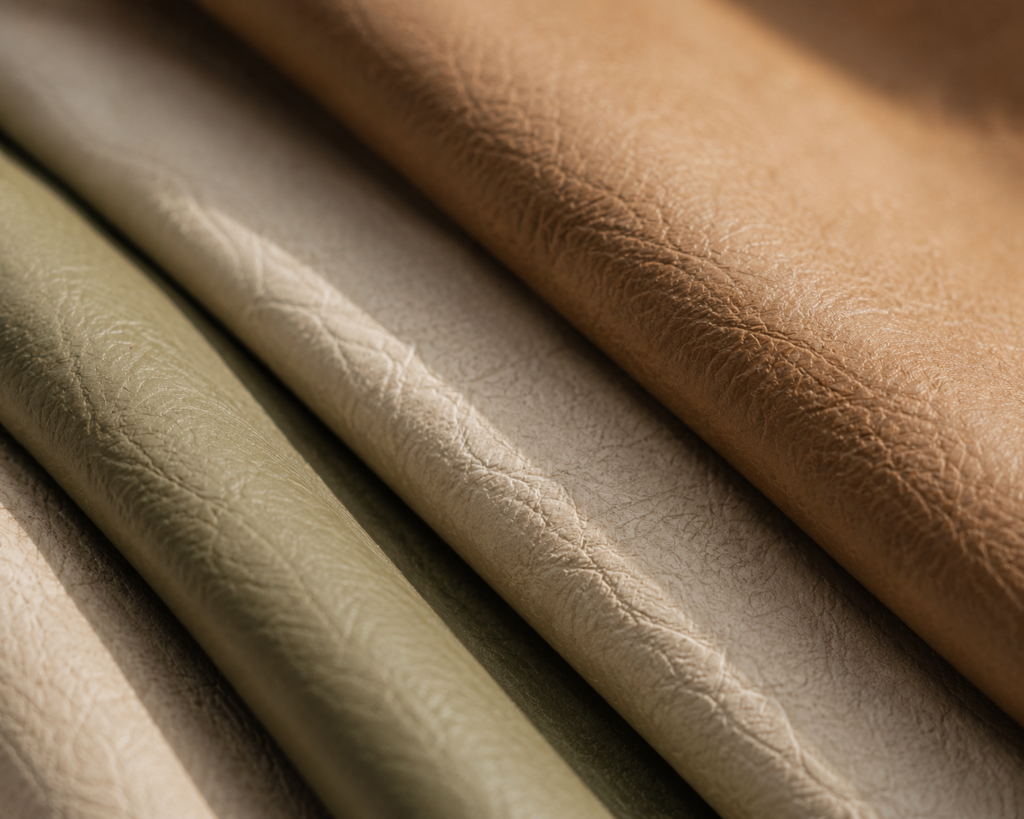
Vegan leather delivers faster production cycles, lower landfill risk, and stronger margins than traditional hide, and the brands already using it prove the numbers.
Table of Contents
Vegan Leather Cuts Production Time in Half
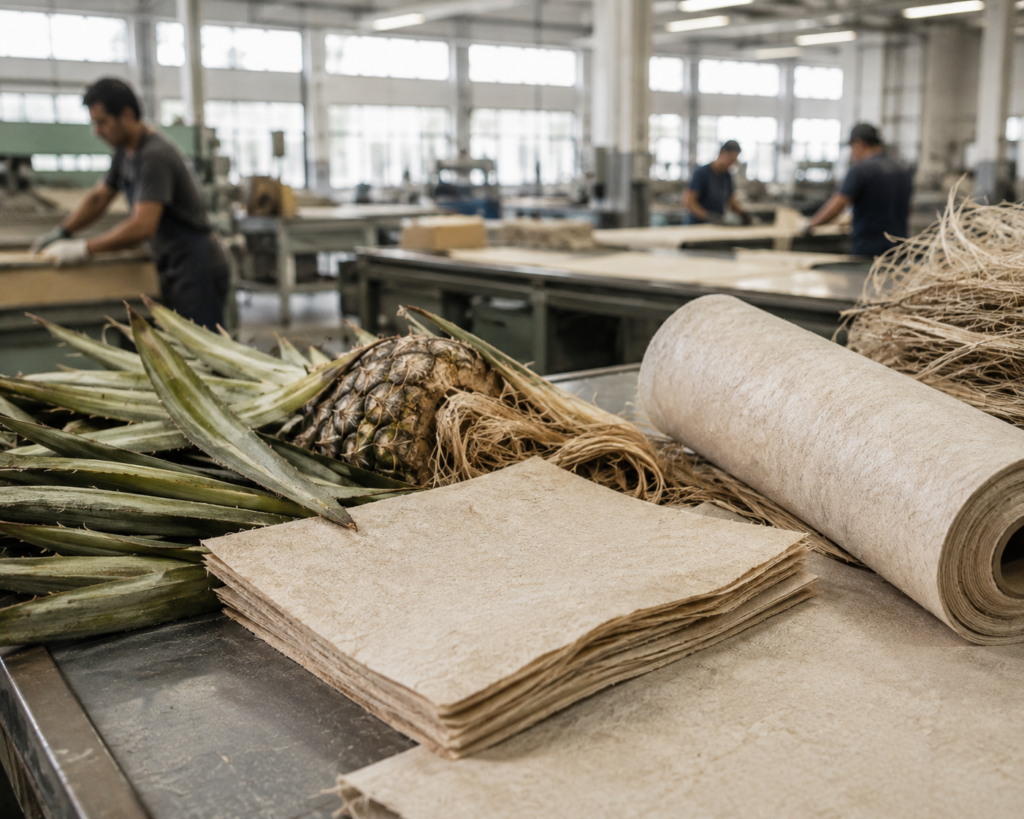
Tanning cowhide takes weeks. Chrome tanning alone runs 24 to 48 hours, then curing and finishing stretch the timeline past a month before a factory ships a single bag. Vegan leather skips that bottleneck. Manufacturers like Ananas Anam produce Piñatex, a pineapple-leaf-fiber material, from agricultural waste that arrives pre-processed and ready for coating within days, not weeks. Mirum, made by Natural Fiber Welding, bonds cork, rice hulls, and plant oils in a single mechanical process with zero tanning step at all.
Brands feel this speed directly. H&M Group tested Piñatex in its Conscious Exclusive collection and moved from sample to shelf faster than its leather-goods line for the same season. Fashion cycles reward that turnaround. A shoe brand chasing a trend window of six to eight weeks cannot wait on a tannery; vegan leather gives designers a material that matches the pace fast fashion already demands.
Vegan Leather Reduces Long-Term Environmental Liability
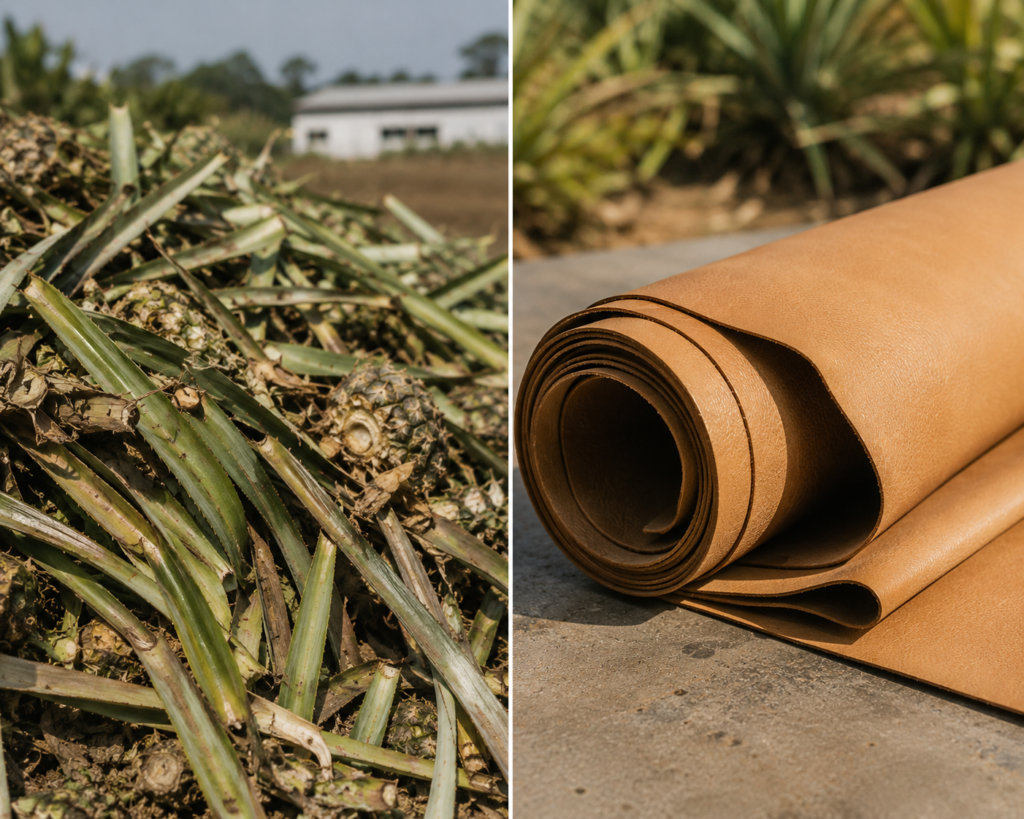
Animal leather production consumes enormous water and chemical volume before a single product exists. The Higg Materials Sustainability Index rates bovine leather among the highest-impact materials tracked, largely from methane emissions tied to cattle farming and the chromium runoff from tanning. Vegan leather made from plant sources shifts that liability. Piñatex diverts roughly 264 pineapple leaves per square meter from open-field burning in the Philippines, converting agricultural byproduct into a saleable good instead of smoke.
Petroleum-based vegan leather (PU and PVC) carries its own footprint, and honest brands say so rather than hide it. Stella McCartney, a company that built its identity on cruelty-free design, discloses that its Mylo mushroom-leather trials aim specifically to replace petroleum-based vinyl, not just animal hide. That transparency matters for buyers who research materials before purchase. A brand that names its trade-offs earns more trust than one that markets “eco” without data, and that trust converts directly into repeat purchases.
Vegan Leather Improves Margin Through Material Cost and Waste Reduction
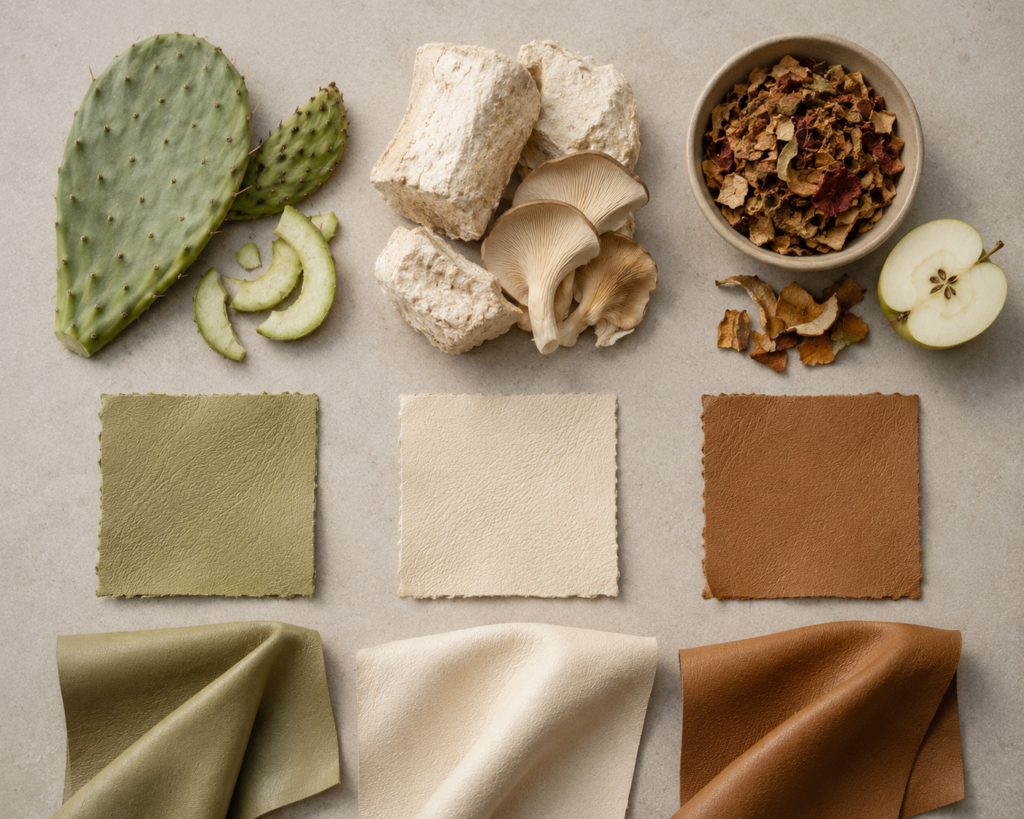
Raw cowhide price swings with cattle markets, feed costs, and disease outbreaks; a single outbreak of foot-and-mouth disease can spike hide prices industry-wide within a quarter. Plant-based vegan leather sources from stable agricultural byproducts: pineapple leaves, apple pomace, cactus pulp, mushroom mycelium. Desserto, a Mexican company producing cactus-based leather, sources Nopal cactus that regrows without irrigation and gets harvested every six to eight months, giving manufacturers predictable, low-cost supply instead of a volatile commodity.
Waste reduction compounds the margin gain. Traditional hide tanning generates significant solid waste and wastewater that facilities must treat before discharge, adding real disposal cost per unit. Mycelium-based leather from companies like MycoWorks grows in controlled trays and produces almost no processing waste, since the material forms in the shape the factory needs. Fewer inputs, less treatment cost, and stable raw material pricing add up to a lower cost basis per unit than conventional hide, even before counting the tariff and import advantages many plant-based producers hold as domestic-adjacent suppliers.
Vegan Leather Meets Buyer Demand That Retailers Already Measure

Retailers do not guess at demand; they track it. Farfetch reported triple-digit year-over-year search growth for “vegan leather” and “cactus leather” product listings across its platform, and the company expanded its Positively Conscious category specifically to capture that traffic. Allbirds launched its Plant Leather sneaker using a corn-based material and sold through initial stock fast enough to expand the line within the same fiscal year. Retailers respond to sell-through data, not sentiment, and vegan leather is generating the sell-through.
Gen Z and millennial shoppers drive this shift disproportionately. A First Insight consumer survey found a majority of Gen Z respondents said they would pay more for sustainable materials over conventional ones, and footwear and handbags topped the category list. Brands chasing that demographic cannot ignore a material category their core buyer actively searches for and rewards with premium pricing tolerance. Vegan leather is not a niche add-on anymore; it is a line item retailers plan around because the purchase data backs it.
Vegan leather wins on every metric a business actually tracks: faster time-to-shelf, lower environmental liability, tighter margins, and demand that retailers can see in their own sales data. The brands still betting on hide are running the slower, costlier, less-trusted play.
Written By- Meeanu.Com
