
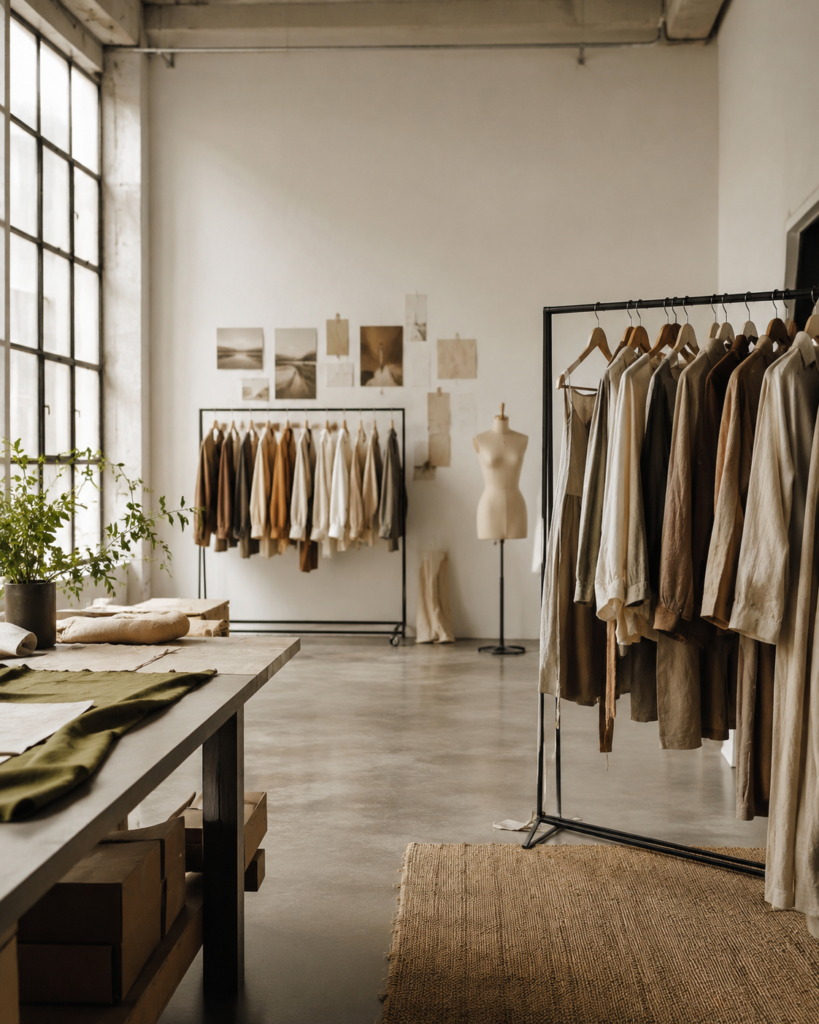
Reformation posted 20 straight quarters of double-digit sales growth and closed its IPO year with $507.1 million in net revenue, up 15.7% from the year before — numbers most conventional apparel labels would kill for, and numbers sustainable fashion brands built without the overproduction playbook.
Table of Contents
Sustainable Fashion Brands Compress the Production Cycle Designers Actually Hate
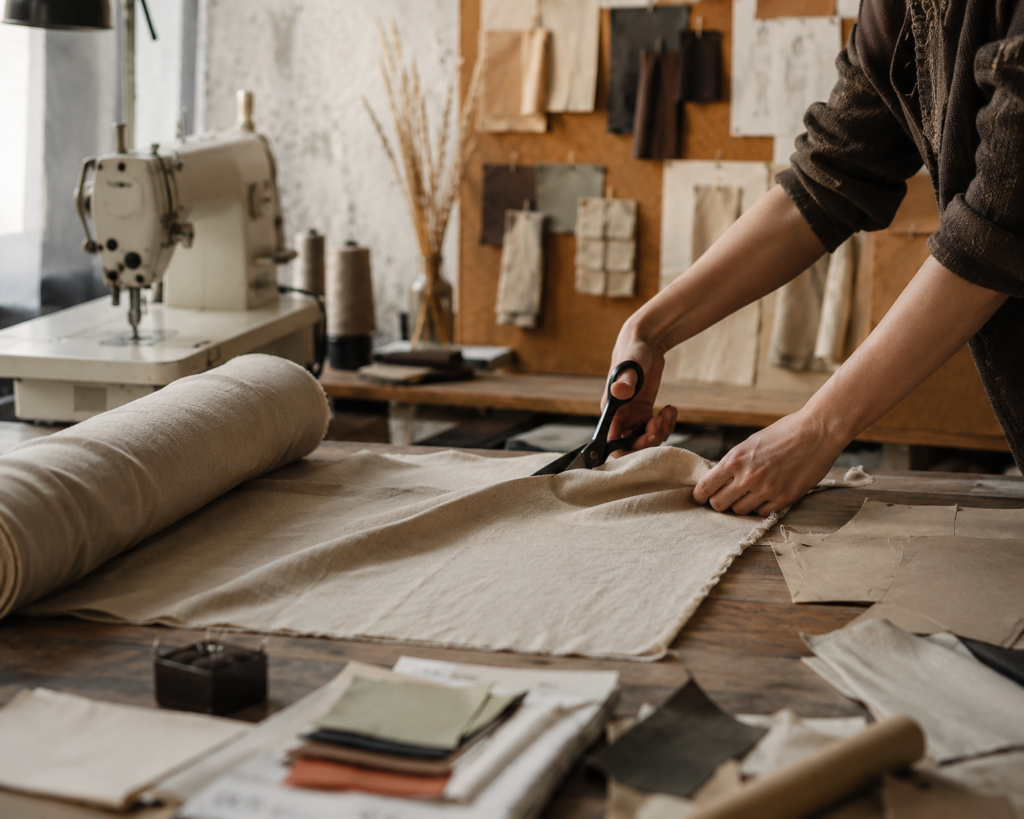
Every designer knows the real cost center isn’t fabric — it’s the dead stock sitting in a warehouse after a forecast misses. Sustainable fashion brands attack this problem directly instead of treating it as a marketing afterthought. Reformation manufactures roughly half its collection inside its own Los Angeles factory, where about 100 people working in four teams turn new designs around weekly.
That in-house speed lets the brand release new styles every two to four weeks and react to what’s actually selling, instead of betting six months out on a trend forecast. Sustainable fashion brands that build made-to-order or small-batch production into their model don’t just cut waste — they cut the lag between a design sketch and a paying customer, which is the exact metric designers get graded on.
Deadstock sourcing does the same job from the materials side. Buying leftover fabric from other manufacturers’ overruns skips the lead time of ordering new textiles and locks in a lower cost basis, because that fabric is already sitting unsold. Reformation reports that 91% of its garments now use lower-impact fibers, including recycled cotton, regenerative cotton, and deadstock material — a sourcing strategy that shortens the runway between concept and shelf while trimming input costs. For a designer weighing speed against margin, sustainable fashion brands prove those two goals aren’t actually in tension.
This matters most for independent designers who don’t have a fast-fashion factory network on speed dial. Small-batch and made-to-order production give a young label the same reaction speed a giant retailer buys through scale, without carrying the inventory risk that sinks most first collections. A designer who sources deadstock for a capsule drop can test a silhouette with real customers before committing to a full production run, and that testing loop is the actual advantage sustainable fashion brands hold over labels still forecasting six months out.
The Revenue Numbers Sustainable Fashion Brands Are Posting Right Now
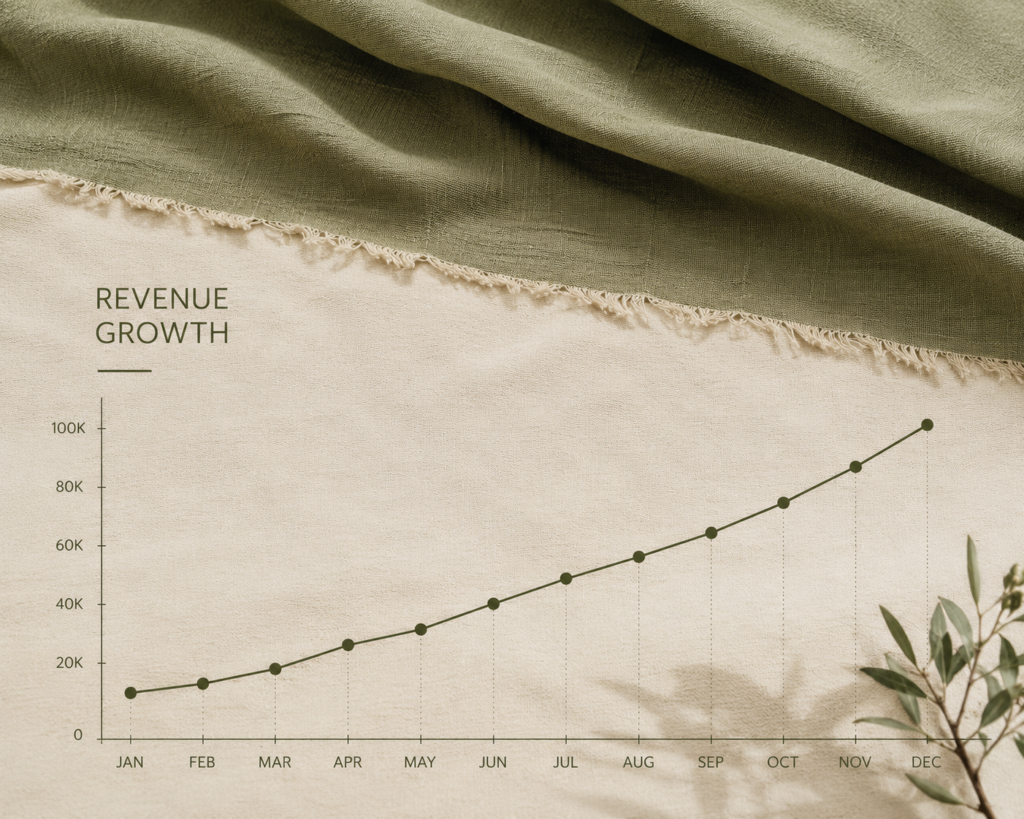
Skepticism about sustainable fashion brands usually centers on one assumption: that ethical sourcing caps growth. Reformation’s public filings say otherwise. Net revenue compounded at roughly 34% a year from 2015 through 2025, the company has been profitable every year since 2016, and it counted 1.1 million active direct-to-consumer customers at the end of its most recent quarter — customers who returned and paid full price often enough to make next year’s revenue forecastable. The company’s IPO priced at $15 a share, raised $210.9 million, and valued the business at roughly $890 million, giving its original private-equity backer a clean exit after buying in when the label was doing an estimated $150 million in sales.
That trajectory matters to designers for a specific reason: it shows a sustainable fashion brand can scale past boutique status into public-market territory without abandoning the sourcing story that built its customer base. Gross margin did narrow to 60.2% under new tariff pressure, and net income fell from about $33 million to $12.6 million as the company absorbed IPO-related costs — real numbers, not a spotless story. But a 60%-plus gross margin is still a margin most fashion labels, sustainable or not, would consider strong. Sustainable fashion brands don’t need a flawless balance sheet to make the business case; they need a defensible one, and the filings back that up.
Where Sustainable Fashion Brands Stumble — And What Designers Should Learn

Not every sustainable fashion brand converts its mission into durable revenue, and pretending otherwise would undercut the argument. Allbirds built its identity on merino wool and eucalyptus-fiber sneakers and carbon-neutral ambitions, then went public in 2021 before proving it could scale profitably. By late 2025, quarterly revenue was falling 23.3% year over year, the company was carrying a net loss of $77.3 million for the year, and it disclosed substantial doubt about its ability to continue as a going concern. It closed its remaining U.S. full-price stores in early 2026 and agreed to sell the brand outright soon after.
The failure wasn’t the sustainability story — it was everything wrapped around it. Allbirds expanded into too many physical stores and product categories at once, let margins slip, and leaned on its founding narrative to carry sales momentum it hadn’t earned through product iteration. Sustainable fashion brands that treat eco-credentials as the entire pitch, rather than one input into a disciplined merchandising and inventory strategy, run the same risk any brand runs when it outspends its unit economics. For a designer building a brand or advising one, Allbirds is the clearest available case study in what happens when sourcing ethics substitute for operational discipline instead of supporting it.
The Business Model Shift That Makes Sustainable Fashion Brands Investable
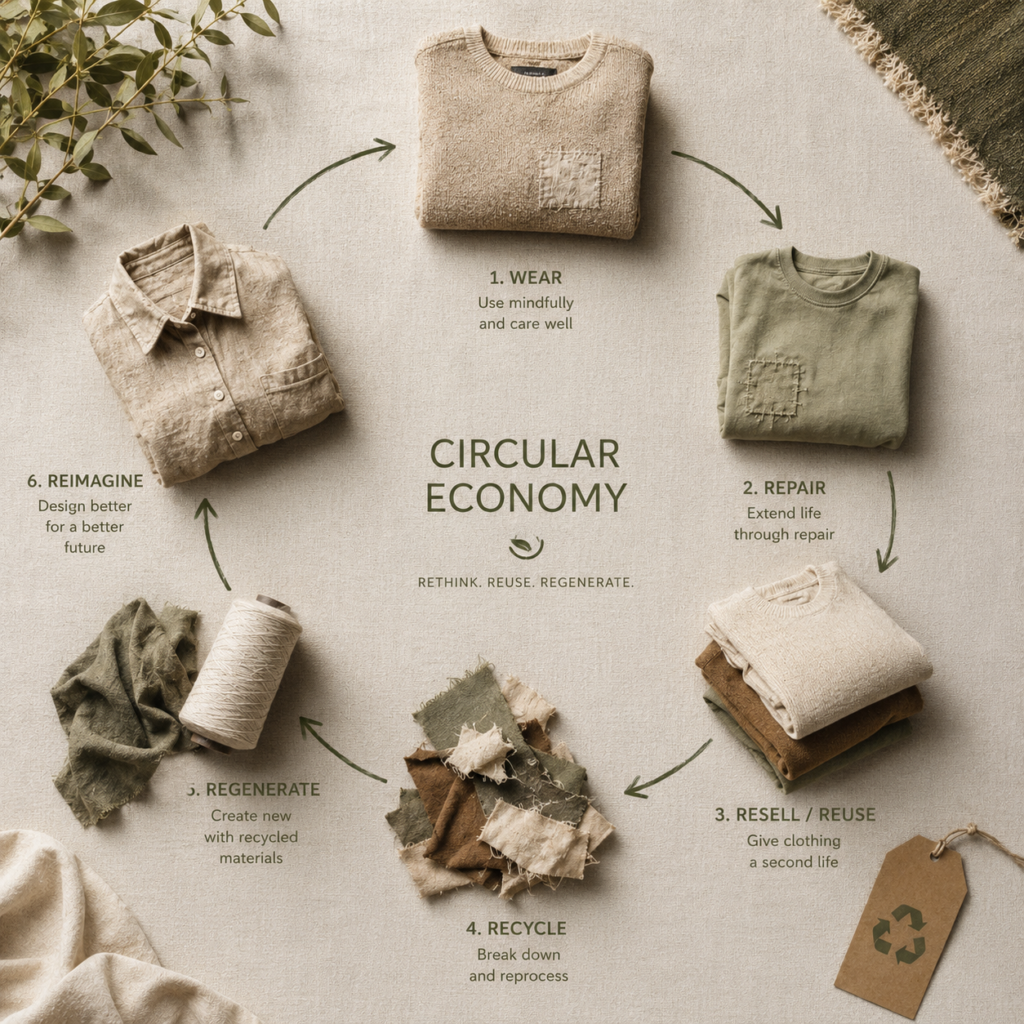
The sustainable fashion brands attracting capital right now share a structural trait: they’ve turned circularity into a revenue line, not a cost line. Reformation runs a repair and resale partnership through Hemster that processed more than 1,000 items in a single year, and it grades every textile it uses on an A-through-E impact scale so buyers and designers can see exactly which fibers are dragging the footprint up.
Patagonia took a more radical structural route, transferring company ownership in 2022 to a purpose trust and a nonprofit so future profits fund environmental causes instead of shareholder payouts — a move that removed the usual pressure to chase short-term volume growth at the expense of the supply chain relationships that keep quality high.
Both approaches point designers toward the same lesson: sustainable fashion brands that build resale, repair, or ownership structures directly into their business model create a second and third revenue touchpoint with the same customer, instead of relying on a single full-price sale. That’s a materially different growth curve than a conventional label gets from one-and-done transactions, and it’s the piece of the model designers can borrow immediately — start grading your own fiber choices, build a takeback or resale channel before a competitor does, and treat deadstock sourcing as a cost advantage rather than a compromise.
None of this requires the scale of a Reformation or a Patagonia to start. A designer running a small label can pilot a repair partnership with a single local tailor, grade materials on a simple two-tier system before scaling to something like Reformation’s A-through-E model, and track how many customers return for a second purchase once a takeback option exists. Sustainable fashion brands earn their margins one structural decision at a time, not through a single sourcing swap, and each of those decisions compounds the way Reformation’s did over a decade.
Sustainable fashion brands with disciplined operations are already outgrowing their conventional peers on the metrics that matter to a P&L. The brands that ignore operational discipline in favor of the mission story alone are the ones filing going-concern warnings instead of IPO prospectuses.
Written By- Meeanu.Com
Other Resources
